
The personal finance app market has exploded in 2025, with the global market reaching $1.2 billion and projected to hit $3.5 billion by 2033. With 72% of US adults now using mobile banking apps and mobile banking transactions increasing by 67%, choosing the right personal finance app has become crucial for effective money management.
The personal finance app landscape is experiencing unprecedented growth. Here are the key statistics shaping the industry in 2025:
- Global Market Size: $1.2 billion in 2024, growing at 12.5% CAGR
- User Base: 2.17 billion global mobile banking users
- US Adoption: 72% of adults use mobile banking apps
- Smart Budgeting Market: $1.21 billion in 2024, projected to reach $6.6 billion by 2034
- Transaction Growth: 67% increase in mobile banking transactions
- Consumer Preference: 64% prefer mobile banking over traditional methods
Top 10 Personal Finance Apps Detailed Comparison
1. Mint (Credit Karma) – Best Free All-in-One Solution
Price: Free
Best For: Beginners seeking comprehensive free budgeting tools
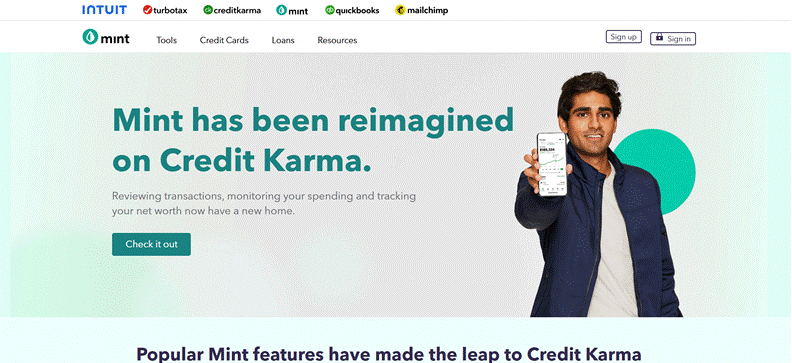
Mint remains the gold standard for free personal finance management, now integrated with Credit Karma after Intuit’s transition. With over 30 million users, it offers automatic expense categorization, bill reminders, and credit score monitoring.
Key Features:
- Automatic transaction categorization across 20+ categories
- Custom budget creation with spending alerts
- Free credit score monitoring with TransUnion data
- Bill payment reminders to avoid late fees
- Net worth tracking across all accounts
Pros:
- Completely free with no hidden costs
- Comprehensive feature set rivals paid apps
- Easy setup with bank-level encryption
- Excellent for tracking spending patterns
Cons:
- Limited customer support options
- Frequent ads for financial products
- Basic investment tracking capabilities
Security: Bank-level 256-bit encryption, read-only account access, two-factor authentication.
2. YNAB (You Need A Budget) – Best for Hands-On Budgeting
Price: $14.99/month or $99/year (free for college students)
Best For: Users wanting to learn disciplined budgeting methodology
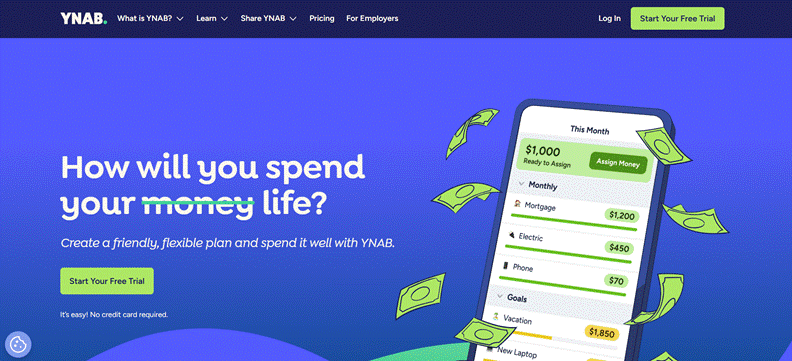
YNAB isn’t just an app—it’s a complete budgeting philosophy based on zero-based budgeting. Every dollar must have a purpose before it’s spent, making it ideal for breaking the paycheck-to-paycheck cycle.
Key Features:
- Zero-based budgeting system (allocate every dollar)
- Real-time goal tracking for debt payoff and savings
- Detailed spending reports and trend analysis
- Manual transaction entry option for complete control
- Extensive educational resources and workshops
Pros:
- Excellent budgeting methodology that works long-term
- Strong educational component teaches financial discipline
- Active community and customer support
- Detailed reporting for financial analysis
Cons:
- Steep learning curve requires commitment
- Higher price point compared to alternatives
- Requires active daily/weekly engagement
Security: 256-bit encryption, multi-factor authentication, bank-level security protocols.
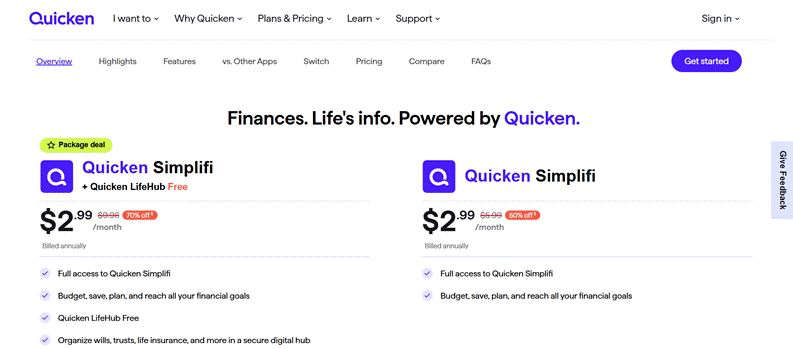
3. Quicken Simplifi – Best Balance of Features and Usability
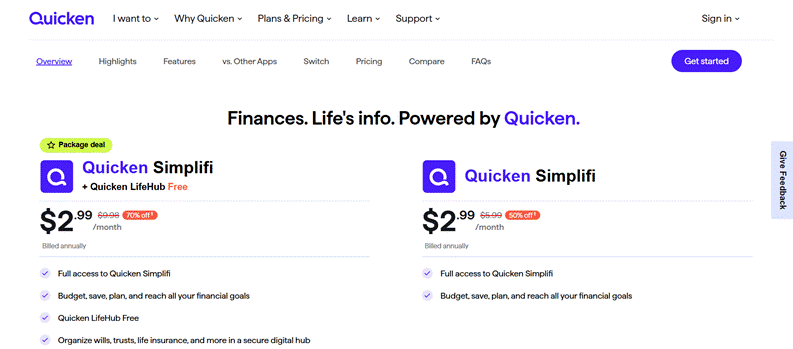
Price: $2.99/month (billed annually)
Best For: Users wanting comprehensive features without complexity
Simplifi offers the perfect balance between Quicken’s powerful desktop features and mobile-first simplicity. It provides innovative spending plans and watchlists that keep you connected to your financial goals.
Key Features:
- Spending plans instead of traditional budgets
- Watchlist feature for tracking specific merchants/categories
- Customizable reports and dashboards
- Goal setting with progress tracking
- Clean, intuitive mobile interface
Pros:
- Excellent user experience design
- Reasonable pricing for feature set
- Regular updates and new features
- Great customer support
Cons:
- Limited free trial period
- Fewer investment tools than competitors
- Subscription required for full features
Security: Bank-level security, biometric login options, encrypted data transmission.
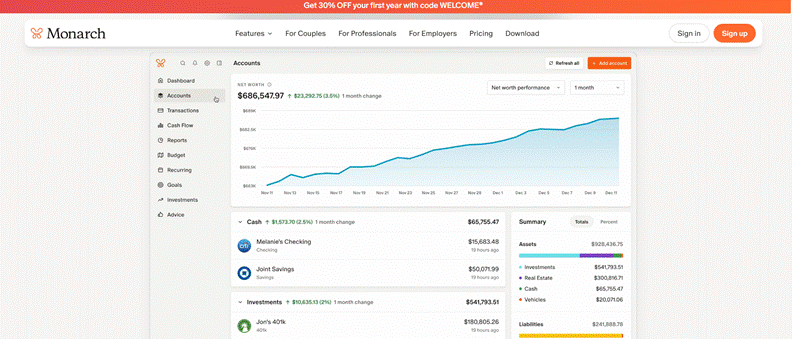
4. Monarch Money – Best for Advanced Budgeting
Price: $8.33/month or $99.99/year
Best For: Power users needing advanced transaction management and budgeting tools
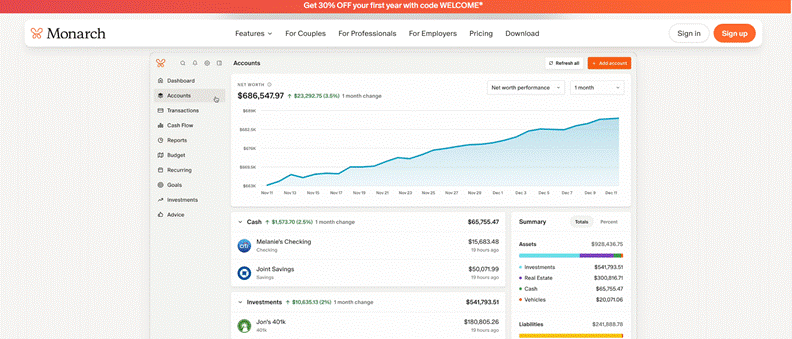
Monarch has quickly become a favorite among the personal finance community for its customizable approach and advanced features. It offers some of the best transaction management and budgeting tools available.
Key Features:
- Advanced transaction categorization and rules
- Tax-related transaction marking for deduction tracking
- Detailed cash flow analysis and forecasting
- Custom budget categories and rollover options
- Excellent customer support and onboarding
Pros:
- Highly customizable budgeting system
- Excellent transaction management capabilities
- Strong customer support and community
- Regular feature updates based on user feedback
Cons:
- Higher price point than many alternatives
- Can be overwhelming for beginners
- Limited free trial period
Security: 256-bit SSL encryption, read-only bank connections, multi-factor authentication.
5. Empower (formerly Personal Capital) – Best for Investment Tracking
Price: Free basic features; 0.89% fee for advisory services
Best For: Investors and high-net-worth individuals focused on wealth management
Empower specializes in investment portfolio tracking and net worth monitoring. It’s perfect for users who want to manage investments alongside daily finances.
Key Features:
- Real-time net worth tracking across all accounts
- Investment portfolio analysis and performance tracking
- Retirement planning tools and calculators
- AI-driven financial insights and recommendations
- High-yield cash account with 3.75% APY
Pros:
- Strong investment tracking capabilities
- Free retirement planning tools
- Professional-grade portfolio analysis
- High-yield savings option
Cons:
- Basic budgeting features compared to competitors
- Frequent promotion of paid advisory services
- Limited expense categorization options
Security: Bank-level security protocols, SIPC protection, two-factor authentication
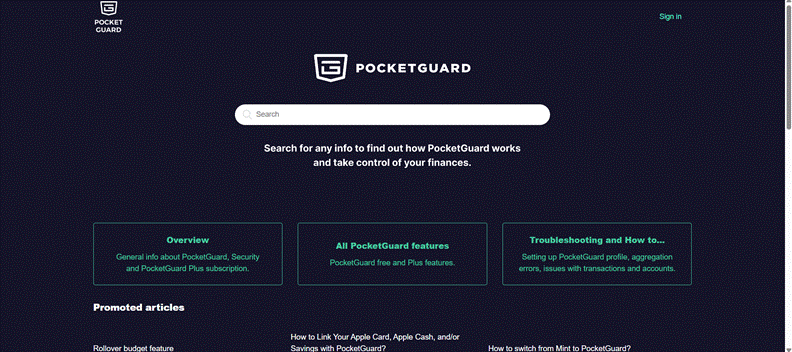
6. PocketGuard – Best for Overspenders
Price: Free basic; $7.95/month premium
Best For: People who struggle with overspending and need simple guidance
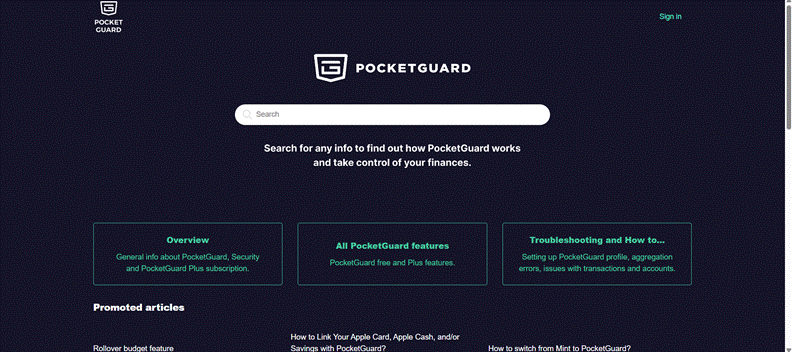
PocketGuard focuses on one key question: “How much can I spend?” It calculates disposable income after bills, goals, and necessities are accounted for.
Key Features:
- “In My Pocket” spending limit calculations
- Automatic bill tracking and categorization
- Debt payoff planning tools
- Spending limit alerts and notifications
- Simple, uncluttered interface
Pros:
- Simple approach perfect for beginners
- Effective at preventing overspending
- Clean, easy-to-understand interface
- Good basic budgeting features
Cons:
- Limited features in free version
- Basic reporting and analytics
- Fewer customization options
Security: 256-bit encryption, read-only access to financial accounts
7. Rocket Money – Best for Debt Management
Price: $4-12/month (you choose your price)
Best For: Users focused on reducing monthly expenses and managing subscriptions
Rocket Money stands out with its bill negotiation service and subscription management tools. It’s particularly valuable for people looking to reduce their monthly expenses.
Key Features:
- Automatic subscription detection and cancellation
- Bill negotiation service (40% fee on savings)
- Spending tracking and budget creation
- Debt tracking and payoff planning
- Credit score monitoring
Pros:
- Unique bill negotiation service
- Effective subscription management
- “Pay what you want” pricing model
- Good debt management tools
Cons:
- 40% fee on bill negotiation savings
- Limited free features
- Basic investment tracking
Security: Bank-level encryption, secure data transmission protocols
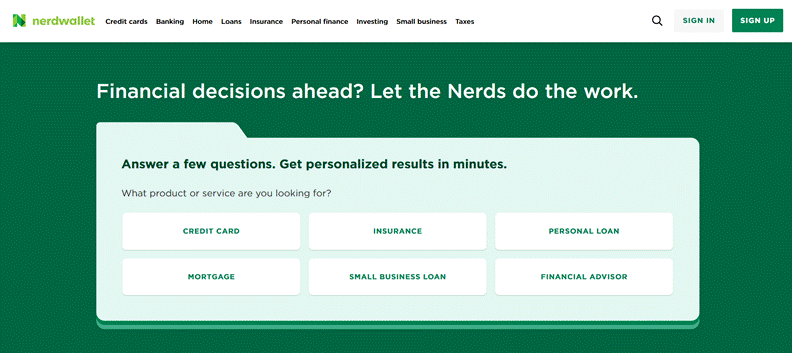
8. NerdWallet – Best Free Educational Resource
Price: Free
Best For: Users seeking financial education alongside basic money management
NerdWallet combines basic personal finance tracking with extensive educational content. It’s perfect for users who want to learn while they manage their finances.[6]
Key Features:
- Free credit score monitoring and analysis
- Extensive financial education articles and tools
- Basic expense tracking and categorization
- Financial product comparison tools
- No ads interrupting the user experience
Pros:
- Completely free with extensive educational content
- Clean interface without intrusive advertising
- Good credit monitoring tools
- Helpful financial product recommendations
Cons:
- Basic transaction management compared to competitors
- Limited advanced budgeting features
- Fewer automation options
Security: 128-bit SSL encryption, secure account connections
9. Goodbudget – Best for Manual Budgeting
Price: Free basic; $8/month premium
Best For: Users who prefer hands-on envelope-style budgeting
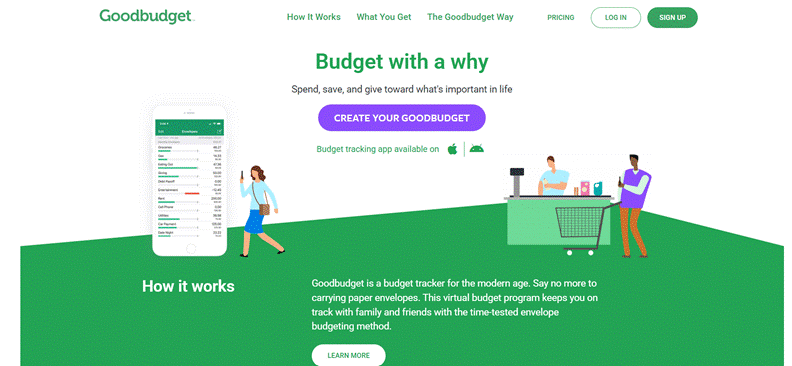
Goodbudget uses the time-tested envelope budgeting method in digital form. It’s perfect for users who want complete manual control over their budget allocation.[10]
Key Features:
- Digital envelope budgeting system
- Manual transaction entry and categorization
- Expense sharing between multiple users
- Detailed spending reports and analysis
- No bank account linking required
Pros:
- Teaches fundamental budgeting principles
- Complete privacy with manual entry
- No advertisements or upselling
- Good for couples and families
Cons:
- No automatic bank syncing
- Requires consistent manual input
- Limited automation features
Security: Local data storage, no bank account access required for privacy.
10. Tiller Money – Best for Spreadsheet Users
Price: $79/year
Best For: Finance-savvy users who prefer spreadsheet flexibility with automation
Tiller bridges the gap between automated finance tracking and manual spreadsheet control. It automatically imports transactions into Google Sheets or Excel.
Key Features:
- Automated transaction import to spreadsheets
- Customizable budget templates and formulas
- Privacy-focused with no data selling
- Full spreadsheet functionality and customization
- Advanced financial analysis capabilities
Pros:
- Maximum customization and flexibility
- Strong privacy focus
- Powerful analysis capabilities for advanced users
- Affordable annual pricing
Cons:
- Requires spreadsheet knowledge
- Steeper learning curve
- Limited mobile app functionality
Security: Bank-level encryption, privacy-focused approach with no data selling
Proper comparative chart of the main features for each major personal finance app:
Key Selection Criteria
When choosing a personal finance app, consider these factors:
1. Budget & Pricing
- Free options: Mint, NerdWallet, basic versions of others
- Budget-friendly: Simplifi ($2.99/month), PocketGuard ($7.95/month)
- Premium features: YNAB ($14.99/month), Monarch ($8.33/month)
2. Primary Use Case
- Budgeting Focus: YNAB, Monarch, Goodbudget
- Investment Tracking: Empower, Quicken Classic
- Debt Management: Rocket Money, PocketGuard
- Education: NerdWallet, YNAB
- Simplicity: PocketGuard, Mint
3. Technical Preferences
- Automation: Mint, Simplifi, Empower
- Manual Control: YNAB, Goodbudget, Tiller
- Spreadsheet Integration: Tiller exclusively
- Mobile-First: Most apps, especially PocketGuard
Security Considerations
All recommended apps use bank-level encryption and read-only access to financial accounts. Key security features to look for:
- 256-bit SSL encryption: Standard across all major apps
- Two-factor authentication: Available on most platforms
- Read-only access: Apps cannot move money, only view transactions
- Biometric login: Fingerprint/face recognition on mobile apps
- Regular security audits: Conducted by reputable third-party firms
2025 Trends & Future Outlook
The personal finance app market continues evolving with these key trends:
AI Integration: 68% of banks now use AI for personalized financial advice and fraud detection
Voice Banking: 43% adoption rate, especially among younger users
Blockchain Security: 28% of platforms now integrate blockchain for enhanced security
Wearable Integration: 54% growth in smartwatch banking app usage
Real-Time Insights: Increased demand for instant spending alerts and recommendations
Making Your Choice
The best personal finance app depends on your specific needs, technical comfort level, and budget. Here’s our recommendation framework:
For Beginners: Start with Mint (free) or PocketGuard (simple)
For Serious Budgeters: Choose YNAB (methodology) or Monarch (features)
For Investors: Use Empower for portfolio tracking
For Debt Management: Try Rocket Money for expense reduction
For Customization: Consider Tiller if you love spreadsheets
The personal finance app market will continue growing, with projected revenues reaching $6.6 billion by 2034. As financial literacy becomes increasingly important, these tools will play a crucial role in helping users achieve their financial goals through improved money management, automated savings, and informed spending decisions.10 Best Personal Finance Apps in 2025
The personal finance app market has exploded in 2025, with the global market reaching $1.2 billion and projected to hit $3.5 billion by 2033. With 72% of US adults now using mobile banking apps and mobile banking transactions increasing by 67%, choosing the right personal finance app has become crucial for effective money management.
The personal finance app landscape is experiencing unprecedented growth. Here are the key statistics shaping the industry in 2025:
- Global Market Size: $1.2 billion in 2024, growing at 12.5% CAGR
- User Base: 2.17 billion global mobile banking users
- US Adoption: 72% of adults use mobile banking apps
- Smart Budgeting Market: $1.21 billion in 2024, projected to reach $6.6 billion by 2034
- Transaction Growth: 67% increase in mobile banking transactions
- Consumer Preference: 64% prefer mobile banking over traditional methods
Top 10 Personal Finance Apps Detailed Comparison
1. Mint (Credit Karma) – Best Free All-in-One Solution
Price: Free
Best For: Beginners seeking comprehensive free budgeting tools
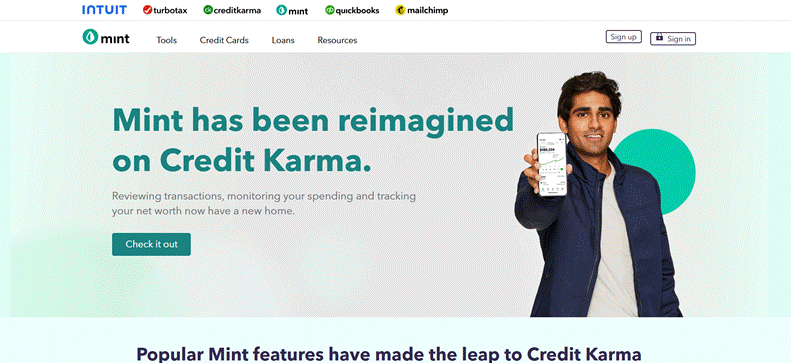
Mint remains the gold standard for free personal finance management, now integrated with Credit Karma after Intuit’s transition. With over 30 million users, it offers automatic expense categorization, bill reminders, and credit score monitoring.
Key Features:
- Automatic transaction categorization across 20+ categories
- Custom budget creation with spending alerts
- Free credit score monitoring with TransUnion data
- Bill payment reminders to avoid late fees
- Net worth tracking across all accounts
Pros:
- Completely free with no hidden costs
- Comprehensive feature set rivals paid apps
- Easy setup with bank-level encryption
- Excellent for tracking spending patterns
Cons:
- Limited customer support options
- Frequent ads for financial products
- Basic investment tracking capabilities
Security: Bank-level 256-bit encryption, read-only account access, two-factor authentication.
2. YNAB (You Need A Budget) – Best for Hands-On Budgeting
Price: $14.99/month or $99/year (free for college students)
Best For: Users wanting to learn disciplined budgeting methodology
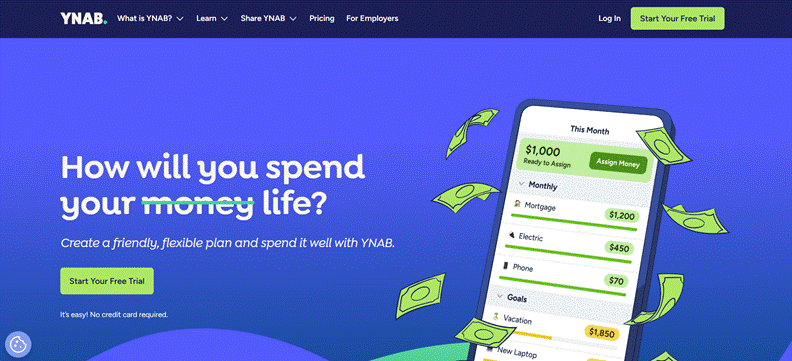
YNAB isn’t just an app—it’s a complete budgeting philosophy based on zero-based budgeting. Every dollar must have a purpose before it’s spent, making it ideal for breaking the paycheck-to-paycheck cycle.
Key Features:
- Zero-based budgeting system (allocate every dollar)
- Real-time goal tracking for debt payoff and savings
- Detailed spending reports and trend analysis
- Manual transaction entry option for complete control
- Extensive educational resources and workshops
Pros:
- Excellent budgeting methodology that works long-term
- Strong educational component teaches financial discipline
- Active community and customer support
- Detailed reporting for financial analysis
Cons:
- Steep learning curve requires commitment
- Higher price point compared to alternatives
- Requires active daily/weekly engagement
Security: 256-bit encryption, multi-factor authentication, bank-level security protocols.
3. Quicken Simplifi – Best Balance of Features and Usability
Price: $2.99/month (billed annually)
Best For: Users wanting comprehensive features without complexity
Simplifi offers the perfect balance between Quicken’s powerful desktop features and mobile-first simplicity. It provides innovative spending plans and watchlists that keep you connected to your financial goals.
Key Features:
- Spending plans instead of traditional budgets
- Watchlist feature for tracking specific merchants/categories
- Customizable reports and dashboards
- Goal setting with progress tracking
- Clean, intuitive mobile interface
Pros:
- Excellent user experience design
- Reasonable pricing for feature set
- Regular updates and new features
- Great customer support
Cons:
- Limited free trial period
- Fewer investment tools than competitors
- Subscription required for full features
Security: Bank-level security, biometric login options, encrypted data transmission.
4. Monarch Money – Best for Advanced Budgeting
Price: $8.33/month or $99.99/year
Best For: Power users needing advanced transaction management and budgeting tools
Monarch has quickly become a favorite among the personal finance community for its customizable approach and advanced features. It offers some of the best transaction management and budgeting tools available.
Key Features:
- Advanced transaction categorization and rules
- Tax-related transaction marking for deduction tracking
- Detailed cash flow analysis and forecasting
- Custom budget categories and rollover options
- Excellent customer support and onboarding
Pros:
- Highly customizable budgeting system
- Excellent transaction management capabilities
- Strong customer support and community
- Regular feature updates based on user feedback
Cons:
- Higher price point than many alternatives
- Can be overwhelming for beginners
- Limited free trial period
Security: 256-bit SSL encryption, read-only bank connections, multi-factor authentication.
5. Empower (formerly Personal Capital) – Best for Investment Tracking
Price: Free basic features; 0.89% fee for advisory services
Best For: Investors and high-net-worth individuals focused on wealth management
Empower specializes in investment portfolio tracking and net worth monitoring. It’s perfect for users who want to manage investments alongside daily finances.
Key Features:
- Real-time net worth tracking across all accounts
- Investment portfolio analysis and performance tracking
- Retirement planning tools and calculators
- AI-driven financial insights and recommendations
- High-yield cash account with 3.75% APY
Pros:
- Strong investment tracking capabilities
- Free retirement planning tools
- Professional-grade portfolio analysis
- High-yield savings option
Cons:
- Basic budgeting features compared to competitors
- Frequent promotion of paid advisory services
- Limited expense categorization options
Security: Bank-level security protocols, SIPC protection, two-factor authentication
6. PocketGuard – Best for Overspenders
Price: Free basic; $7.95/month premium
Best For: People who struggle with overspending and need simple guidance
PocketGuard focuses on one key question: “How much can I spend?” It calculates disposable income after bills, goals, and necessities are accounted for.
Key Features:
- “In My Pocket” spending limit calculations
- Automatic bill tracking and categorization
- Debt payoff planning tools
- Spending limit alerts and notifications
- Simple, uncluttered interface
Pros:
- Simple approach perfect for beginners
- Effective at preventing overspending
- Clean, easy-to-understand interface
- Good basic budgeting features
Cons:
- Limited features in free version
- Basic reporting and analytics
- Fewer customization options
Security: 256-bit encryption, read-only access to financial accounts
7. Rocket Money – Best for Debt Management
Price: $4-12/month (you choose your price)
Best For: Users focused on reducing monthly expenses and managing subscriptions
Rocket Money stands out with its bill negotiation service and subscription management tools. It’s particularly valuable for people looking to reduce their monthly expenses.
Key Features:
- Automatic subscription detection and cancellation
- Bill negotiation service (40% fee on savings)
- Spending tracking and budget creation
- Debt tracking and payoff planning
- Credit score monitoring
Pros:
- Unique bill negotiation service
- Effective subscription management
- “Pay what you want” pricing model
- Good debt management tools
Cons:
- 40% fee on bill negotiation savings
- Limited free features
- Basic investment tracking
Security: Bank-level encryption, secure data transmission protocols
8. NerdWallet – Best Free Educational Resource
Price: Free
Best For: Users seeking financial education alongside basic money management
NerdWallet combines basic personal finance tracking with extensive educational content. It’s perfect for users who want to learn while they manage their finances.[6]
Key Features:
- Free credit score monitoring and analysis
- Extensive financial education articles and tools
- Basic expense tracking and categorization
- Financial product comparison tools
- No ads interrupting the user experience
Pros:
- Completely free with extensive educational content
- Clean interface without intrusive advertising
- Good credit monitoring tools
- Helpful financial product recommendations
Cons:
- Basic transaction management compared to competitors
- Limited advanced budgeting features
- Fewer automation options
Security: 128-bit SSL encryption, secure account connections
9. Goodbudget – Best for Manual Budgeting
Price: Free basic; $8/month premium
Best For: Users who prefer hands-on envelope-style budgeting
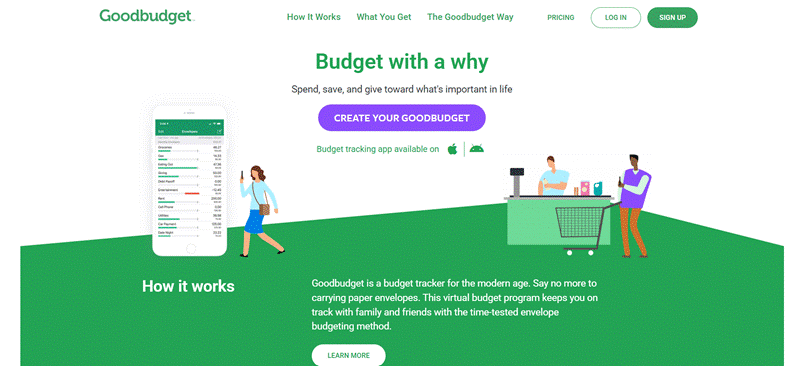
Goodbudget uses the time-tested envelope budgeting method in digital form. It’s perfect for users who want complete manual control over their budget allocation.
Key Features:
- Digital envelope budgeting system
- Manual transaction entry and categorization
- Expense sharing between multiple users
- Detailed spending reports and analysis
- No bank account linking required
Pros:
- Teaches fundamental budgeting principles
- Complete privacy with manual entry
- No advertisements or upselling
- Good for couples and families
Cons:
- No automatic bank syncing
- Requires consistent manual input
- Limited automation features
Security: Local data storage, no bank account access required for privacy.
10. Tiller Money – Best for Spreadsheet Users
Price: $79/year
Best For: Finance-savvy users who prefer spreadsheet flexibility with automation
Tiller bridges the gap between automated finance tracking and manual spreadsheet control. It automatically imports transactions into Google Sheets or Excel.
Key Features:
- Automated transaction import to spreadsheets
- Customizable budget templates and formulas
- Privacy-focused with no data selling
- Full spreadsheet functionality and customization
- Advanced financial analysis capabilities
Pros:
- Maximum customization and flexibility
- Strong privacy focus
- Powerful analysis capabilities for advanced users
- Affordable annual pricing
Cons:
- Requires spreadsheet knowledge
- Steeper learning curve
- Limited mobile app functionality
Security: Bank-level encryption, privacy-focused approach with no data selling
Proper comparative chart of the main features for each major personal finance app:
Key Selection Criteria
When choosing a personal finance app, consider these factors:
1. Budget & Pricing
- Free options: Mint, NerdWallet, basic versions of others
- Budget-friendly: Simplifi ($2.99/month), PocketGuard ($7.95/month)
- Premium features: YNAB ($14.99/month), Monarch ($8.33/month)
2. Primary Use Case
- Budgeting Focus: YNAB, Monarch, Goodbudget
- Investment Tracking: Empower, Quicken Classic
- Debt Management: Rocket Money, PocketGuard
- Education: NerdWallet, YNAB
- Simplicity: PocketGuard, Mint
3. Technical Preferences
- Automation: Mint, Simplifi, Empower
- Manual Control: YNAB, Goodbudget, Tiller
- Spreadsheet Integration: Tiller exclusively
- Mobile-First: Most apps, especially PocketGuard
Security Considerations
All recommended apps use bank-level encryption and read-only access to financial accounts. Key security features to look for:
- 256-bit SSL encryption: Standard across all major apps
- Two-factor authentication: Available on most platforms
- Read-only access: Apps cannot move money, only view transactions
- Biometric login: Fingerprint/face recognition on mobile apps
- Regular security audits: Conducted by reputable third-party firms
2025 Trends & Future Outlook
The personal finance app market continues evolving with these key trends:
AI Integration: 68% of banks now use AI for personalized financial advice and fraud detection
Voice Banking: 43% adoption rate, especially among younger users
Blockchain Security: 28% of platforms now integrate blockchain for enhanced security
Wearable Integration: 54% growth in smartwatch banking app usage
Real-Time Insights: Increased demand for instant spending alerts and recommendations
Making Your Choice
The best personal finance app depends on your specific needs, technical comfort level, and budget. Here’s our recommendation framework:
For Beginners: Start with Mint (free) or PocketGuard (simple)
For Serious Budgeters: Choose YNAB (methodology) or Monarch (features)
For Investors: Use Empower for portfolio tracking
For Debt Management: Try Rocket Money for expense reduction
For Customization: Consider Tiller if you love spreadsheets
The personal finance app market will continue growing, with projected revenues reaching $6.6 billion by 2034. As financial literacy becomes increasingly important, these tools will play a crucial role in helping users achieve their financial goals through improved money management, automated savings, and informed spending decisions.